
When my mother was diagnosed with diabetes around 20 years ago, I don’t think any of us fully understood what living with the condition would look like in the long run. We knew it would require attention, but diabetes isn’t something you learn to manage overnight. It becomes part of life, and over time, you begin to understand what living with it actually means.
Today, my mother is living well while managing her diabetes. And that has shaped the way I look at the condition. I don’t see diabetes only as a list of foods to avoid or numbers to keep checking. I see it as something that requires ongoing attention, a little patience and habits that can fit into everyday life.
Whenever diabetes comes up in a conversation, food is usually the first thing people discuss. Can a person eat rice? What about sweets? Should they stop eating their favourite foods altogether?
These questions are understandable, but they don’t tell the whole story.
Living with diabetes involves much more than what goes on your plate. It can influence daily routines, activity levels, sleep, medication schedules and even the way a person feels about their health. And when you’re thinking about managing a condition for years, the small, everyday details matter just as much as the big decisions.
It’s About Finding a Routine That Works
I’ve come to appreciate that managing a long-term condition isn’t about following a perfect routine every single day. Life doesn’t work that way. There are busy mornings, family commitments, celebrations and days when things simply don’t go according to plan.
A routine needs to be realistic enough to fit around all of that.
Regular meals, following a prescribed treatment plan and keeping track of health appointments have provided a helpful structure for my mom’s daily routine The details will differ from person to person, depending on their type of diabetes, medication and individual needs.
What works for one person may not work for another, and that’s something worth remembering before offering advice based on someone else’s experience.
I think this is particularly important in Indian households, where food and family routines are so closely connected. Meals are often shared, recipes are passed down through generations, and refusing a favourite dish can sometimes become a whole conversation of its own!
Managing diabetes doesn’t have to mean giving up the pleasure of eating with family. It means finding an approach to food that fits the person’s healthcare needs while allowing them to enjoy everyday life.
Food Matters, But It Isn’t the Whole Story
Diet deserves attention when managing diabetes, but I don’t think it helps to make food the source of constant fear.
A balanced eating pattern can include vegetables, pulses, whole grains, suitable sources of protein and whole fruits. Portions and carbohydrate intake matter, too, because carbohydrates affect blood glucose levels.
For Indian meals, this might mean thinking about how rice or roti fits alongside vegetables and protein-rich foods, rather than treating one particular staple as the enemy.
It also helps to be cautious about the many food-related claims circulating online. Karela, methi seeds and other ingredients are often presented as if adding them to a meal will automatically control blood sugar. My mom has tried them all. However, no single food can guarantee that outcome, and home remedies should never replace prescribed treatment.
The National Institute of Diabetes and Digestive and Kidney Diseases offers useful information on healthy eating and other aspects of diabetes management.
For me, the bigger takeaway is that food choices should be informed, balanced and suited to the individual. They shouldn’t become a daily source of guilt.
Movement Doesn’t Have to Look the Same for Everyone
Physical activity is another part of the conversation that deserves attention.
When people hear the word exercise, they sometimes imagine a strict workout schedule. But activity can take different forms, depending on a person’s age, health, preferences and abilities.
Walking, cycling, swimming or other suitable activities may be options for some people.However ,for my mom little strength training and walking helped her manage her diabetes .The important thing is that the activity should fits the person’s circumstances and any guidance they’ve received from their healthcare professional.
Regular physical activity can support blood glucose management and overall health. However, people using insulin or certain other diabetes medicines may need precautions to avoid low blood sugar during activity.
There is no need to compare one person’s routine with another’s. Health isn’t a competition, and a person’s daily activity should be appropriate for them.
Understanding What’s Happening Inside the Body
One thing that can make diabetes management complicated is that blood glucose doesn’t remain the same throughout the day. Meals, physical activity, medication, illness and other factors can influence readings.
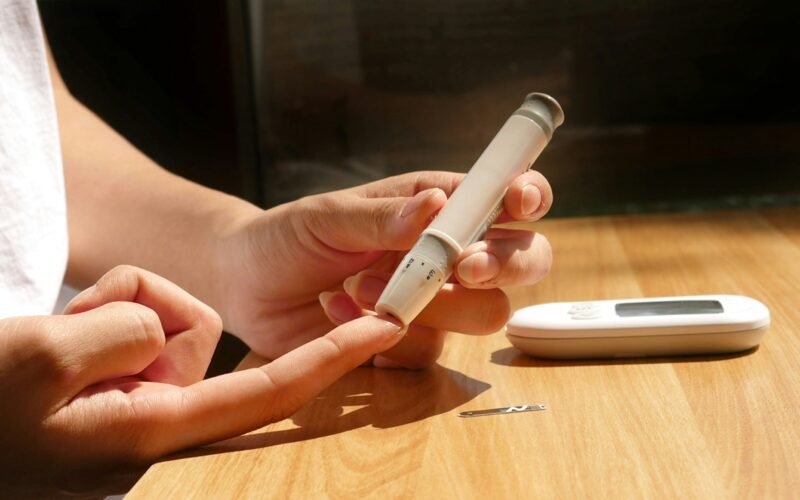
This is why monitoring, when recommended as part of a person’s care plan, can be useful. It can help people and their healthcare teams understand patterns rather than relying entirely on how someone feels.
Some people use traditional blood glucose meters, while others may benefit from sensor-based technology. We use FreeStyle Libre – a glucose monitoring system that allows users to observe glucose readings and patterns through its sensor-based technology.
Whether a particular monitoring method is appropriate depends on individual circumstances and professional guidance. The goal is to use information in a way that supports informed conversations with the healthcare team, not to become anxious about every number.
Regular medical appointments remain important, too. Medication reviews and checks such as HbA1c testing, eye examinations, kidney assessments and foot checks may form part of ongoing care, depending on the individual’s needs.
Feeling well is encouraging, but it doesn’t always tell us everything about blood glucose levels or the possibility of complications. That’s one reason professional follow-up matters even when everyday life is going smoothly.
The Things We Don’t Talk About Enough
There is also an emotional side to living with a long-term condition.
Managing diabetes can mean remembering medication, planning meals, attending appointments and making decisions about health day after day. Even when someone is doing well, that ongoing responsibility can sometimes feel tiring.
I think the people around them have a role to play here, too. Support doesn’t always mean reminding someone about what they should or shouldn’t eat. Sometimes, it means listening without judgement, making shared meals easier or simply allowing them to talk about something other than their health.
Disclaimer: This article has been written as part of an awareness initiative by Blogchatter and reflects the author’s personal views. It is for informational purposes only. It does not constitute medical advice, diagnosis or treatment recommendations. Please consult your doctor for advice specific to your individual health needs.