
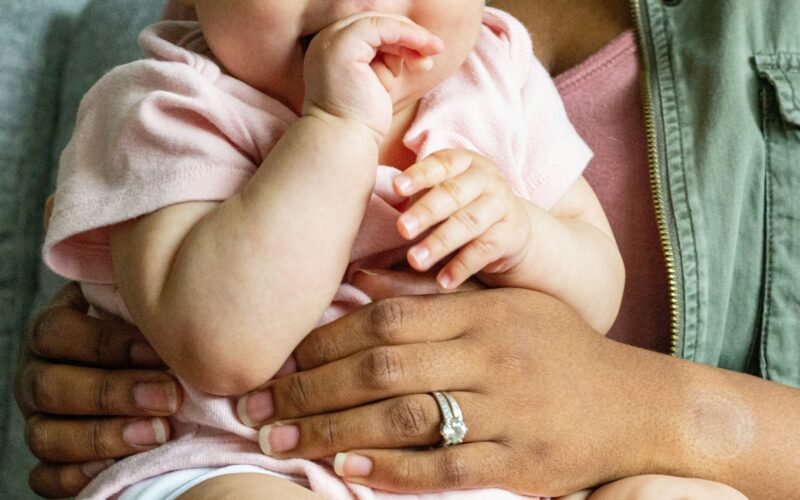
As parents, we spend a lot of time thinking about our babies’ health. We keep track of feeding schedules, sleep patterns, regular check-ups and vaccination dates. We learn which foods to introduce, how to keep our homes clean and what to do when our little ones develop a fever. And just when we think we have covered the basics, we discover something new that deserves our attention.
Recently, I came across meningococcal meningitis while reading about infant health and vaccinations. I knew meningitis was a serious illness, but I had never really stopped to understand how meningococcal bacteria cause it or what role vaccination plays in prevention. It made me wonder: how many of us actually discuss this with our babies’ paediatricians?
When a baby is still so little and depends on us for almost everything, understanding potential health risks becomes even more important. It is worth learning about this infection, knowing what protection may be available and asking the right questions at the next doctor’s appointment.
What Exactly Is Meningococcal Meningitis?
Meningitis is an inflammation of the membranes surrounding the brain and spinal cord. It can develop due to different infections, including bacterial infections. Meningococcal meningitis is caused by a bacterium called Neisseria meningitidis.
What makes this infection particularly concerning is how quickly it can progress. It can also cause a serious bloodstream infection called meningococcal sepsis. Even with treatment, the illness can be fatal or leave survivors with long-term complications.
According to the World Health Organization (WHO), approximately one in six people who develop bacterial meningitis dies, while around one in five experiences serious complications.
The numbers are sobering. They are also a reminder that understanding prevention matters, especially when it comes to babies who cannot tell us what they are feeling.
Reference: WHO – Meningitis: Key facts, symptoms and prevention
Why Should Parents of Infants Pay Attention?
The first few months and years of a baby’s life involve a lot of care and attention. Babies meet family members, are carried by visitors, spend time with caregivers and gradually become more exposed to the world around them.
Meningococcal bacteria can spread through respiratory droplets and throat secretions during close or prolonged contact. This makes awareness of close-contact settings important. It does not mean that every baby who meets other people is at risk of developing the disease. It simply means that understanding how the infection spreads and discussing appropriate preventive measures with a healthcare professional is sensible.
As parents, we cannot protect our babies from every possible illness. But we can stay informed and make decisions based on reliable medical advice rather than waiting until a health concern becomes urgent.
Can Vaccination Help Prevent It?
Vaccination is an important way to prevent meningococcal disease, although no single vaccine protects against every meningococcal strain.
Two vaccine types parents may hear about are:
- MenACWY: Protects against meningococcal serogroups A, C, W and Y.
- MenB: Protects against serogroup B.
These vaccines cover different groups of bacteria, so one should not automatically be considered a substitute for the other. A combined MenABCWY vaccine is also available in some countries, subject to local approval and availability.
The important thing to remember is that vaccine recommendations and the approved age for vaccination differ between countries and products. In India, meningococcal vaccination is not a routine vaccine recommended for every baby in the same way as the standard childhood immunisations. The Indian Academy of Pediatrics provides recommendations for particular age groups and situations, and the appropriate advice depends on the child’s circumstances and current clinical guidance.
For example, the Menactra vaccine information approved in India lists its use from 9 months of age. This does not mean every baby should receive it at that age. The vaccine, timing and schedule need to be discussed with a paediatrician.
References:
Questions I Would Ask My Baby’s Paediatrician
If I were reviewing my baby’s vaccination record, I would add meningococcal vaccination to the list of things to discuss at the next appointment.
I would ask whether meningococcal vaccination is appropriate for my baby, at what age it can be considered and which vaccine would be suitable. I would also ask whether the baby needs one dose or more, what the recommended schedule is and whether any medical conditions affect its suitability.
If we were planning international travel or if there were a meningococcal disease outbreak in an area we planned to visit, I would make sure to mention that as well. These details may influence the doctor’s advice.
I would also ask about the vaccine’s availability, possible side effects and what to expect after vaccination.
These are not decisions I would make based on a social media post or another parent’s experience. Every baby is different, and a paediatrician can help us understand what is appropriate for our own child.
Sometimes, the most useful thing we can do as parents is ask a question we hadn’t thought to ask before.
Know the Warning Signs Too
Prevention is important, but recognising the symptoms of meningococcal disease is equally essential.
Babies cannot tell us that they have a severe headache or a stiff neck. Instead, warning signs may look different and can include fever, poor feeding, vomiting, unusual irritability, excessive sleepiness or difficulty waking. A baby may also develop a bulging soft spot on the head, seizures or a rash that does not fade when pressed.
Symptoms may appear in different combinations, and the illness can worsen rapidly. If a baby develops symptoms suggesting meningitis or a serious infection, seek emergency medical care immediately. Do not wait for every symptom to appear or assume that the absence of a rash means everything is fine.
Vaccination reduces the risk of disease caused by the strains it covers, but it does not eliminate every possible cause of meningitis.
Reference: WHO – Meningitis
A Small Conversation That Could Make a Difference
Parenting a baby comes with a long list of things to learn. We want to give our little ones the best possible start, but we cannot anticipate every health risk, and we certainly do not need to become experts in every disease.
What we can do is stay curious, check reliable sources and ask our children’s doctors the right questions. Vaccination discussions are an important part of that process, and it is worth understanding which vaccines are part of the routine schedule and which may be recommended in specific circumstances.
For me, the biggest takeaway from learning about meningococcal meningitis is simple: awareness should begin early. We do not have to wait until our children are older to understand the protection that may be available to them.
So, the next time you review your baby’s vaccination record, consider asking your paediatrician whether meningococcal vaccination is appropriate.
It may be a small conversation during an ordinary appointment, but it is one worth having.
Disclaimer: This article has been written as part of an awareness initiative by Blogchatter and reflects the author’s personal views. It is for informational purposes only. It does not constitute medical advice, diagnosis or treatment recommendations. Please consult your doctor for advice specific to your child’s health needs.
Please add these FAQs at the end of your article
Frequently Asked Questions
- What is meningococcal meningitis?
Meningococcal meningitis is a serious bacterial infection caused by Neisseria meningitidis. It affects the membranes surrounding the brain and spinal cord. - Why should parents of babies be aware of meningococcal disease?
Babies, especially young infants, can be vulnerable to serious infections. Parents should understand the warning signs of meningococcal disease and discuss appropriate vaccination with their paediatrician. - Can vaccination prevent meningococcal disease?
Yes. Meningococcal vaccines help protect against specific groups of bacteria. MenACWY protects against groups A, C, W and Y, while MenB protects against group B. - What should parents ask their paediatrician about meningococcal vaccination?
Parents can ask whether their teenager needs MenACWY or MenB vaccination, whether a booster is due, and about the vaccine schedule, availability and possible side effects. - What are the warning signs of meningococcal meningitis?
Symptoms may include fever, severe headache, stiff neck, nausea, vomiting, sensitivity to light and confusion. The illness can progress rapidly, so suspected symptoms require immediate medical attention.